Home Travels
Category:

Travels

Advertisement

Travelling through Canada provides more than just scenic views; it offers a chance to engage with a wide range of cultural experiences shaped by history, diversity, and regional identity. The country’s multicultural population influences everything from food and festivals to language and artistic expression. Exploring these cultural elements adds depth to travel, allowing visitors to connect with communities and traditions across different regions.

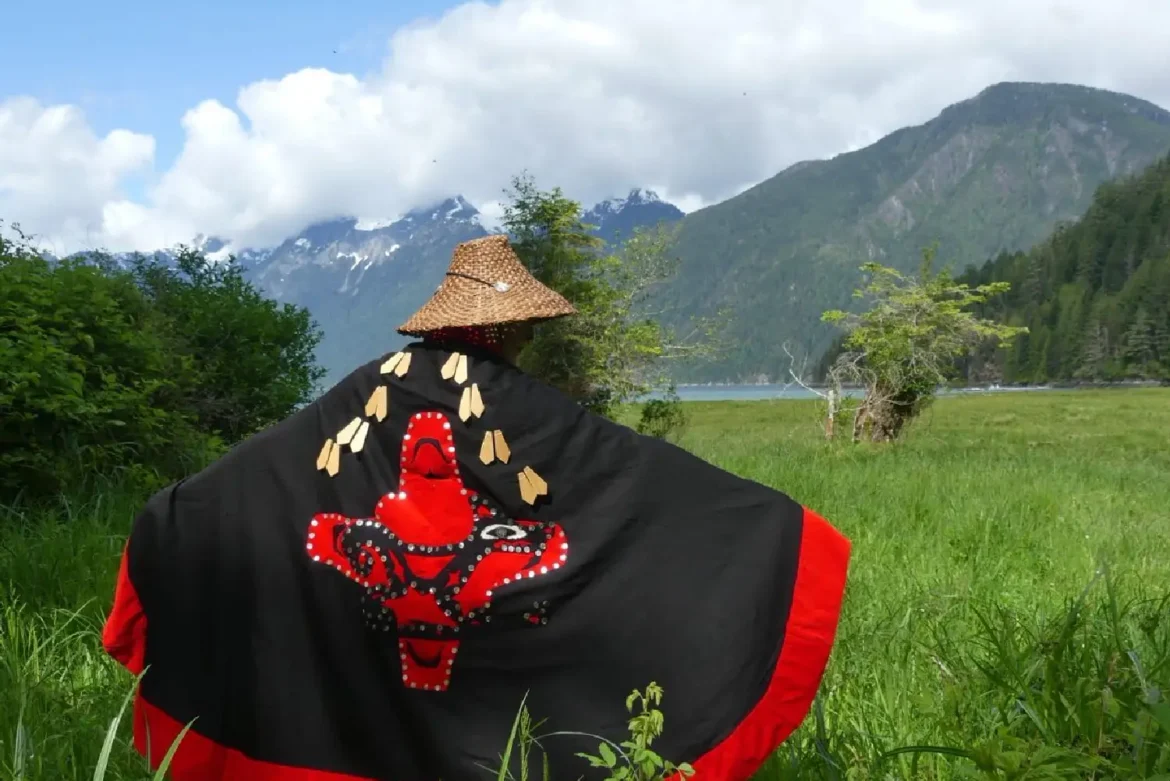
Indigenous cultures are an important part of Canada’s heritage, and many travel experiences include opportunities to learn about their history, art, and traditions. Cultural centres, guided tours, and community events provide insight into Indigenous perspectives and ways of life. Respectful engagement and an openness to learning are essential when participating in these experiences, as they contribute to a broader understanding of the country’s past and present.

Food is another key aspect of cultural exploration in Canada. Each region offers its own specialties, influenced by local ingredients and cultural backgrounds. From seafood on the east coast to diverse international cuisine in major cities, travellers can experience a wide range of flavours. Visiting local markets, restaurants, and food festivals allows for a closer look at how culinary traditions reflect regional identity and community life.

Pages: 1 2

Advertisement

Travelling across Canada offers different experiences depending on the time of year, as each season brings distinct landscapes, activities, and cultural events. Understanding how seasons shape travel conditions can help visitors plan trips that align with their interests and expectations. From snowy winters to vibrant autumns, Canada’s climate plays a central role in defining travel opportunities throughout the year.

Winter in Canada is often associated with snow-covered scenery and cold temperatures, particularly in central and northern regions. While the weather can be challenging, it also creates opportunities for activities such as skiing, snowboarding, ice skating, and winter festivals. Cities like Quebec City and Ottawa embrace the season with outdoor events and seasonal markets. Travellers who are prepared for colder conditions can experience a different side of Canada that emphasizes both natural beauty and cultural traditions.

Spring marks a period of transition, as temperatures gradually rise and landscapes begin to change. Snow melts in many areas, rivers flow more actively, and vegetation starts to return. This season can vary significantly across regions, with milder conditions appearing earlier on the west coast compared to central or eastern provinces. Spring travel often involves fewer crowds, making it a quieter time to explore cities and natural areas while observing the shift between seasons.

Pages: 1 2

Advertisement

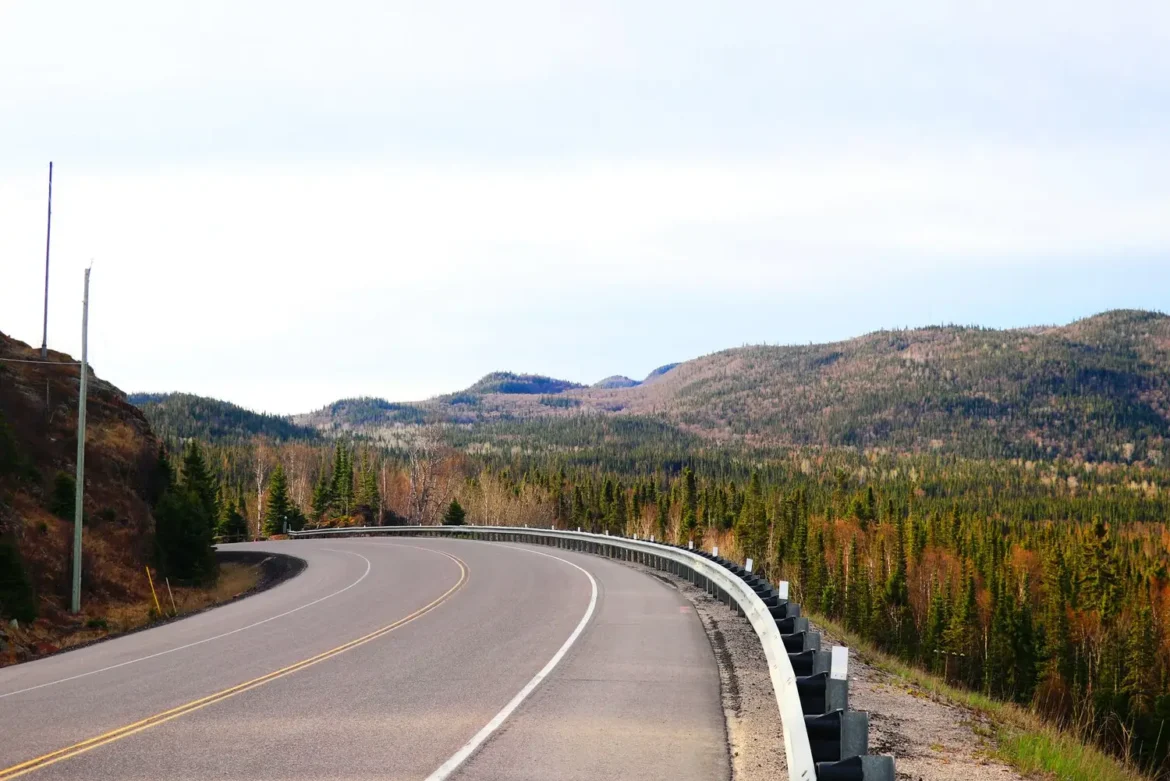
Road trips are a popular way to explore Canada, offering flexibility and the opportunity to experience the country at a personal pace. With its extensive network of highways and scenic routes, Canada provides countless options for travellers who prefer to journey by car. Planning a road trip involves more than selecting a destination; it requires consideration of routes, timing, accommodations, and the unique characteristics of each region.

One of the key advantages of a road trip is the ability to customize the experience. Travellers can choose their own маршруты, stopping at points of interest along the way and adjusting plans as needed. In Canada, routes such as the Trans-Canada Highway connect provinces and territories, providing access to a wide range of landscapes and communities. Scenic drives, including coastal roads and mountain passes, offer opportunities to enjoy the journey as much as the destination.

Preparation is an important part of a successful road trip. Distances between locations in Canada can be significant, particularly in less populated areas. Planning fuel stops, accommodations, and rest breaks helps ensure a smoother experience. Seasonal conditions also play a role, as weather can affect road conditions and travel times. Being aware of these factors allows travellers to make informed decisions and adapt their plans when necessary.

Pages: 1 2

Advertisement

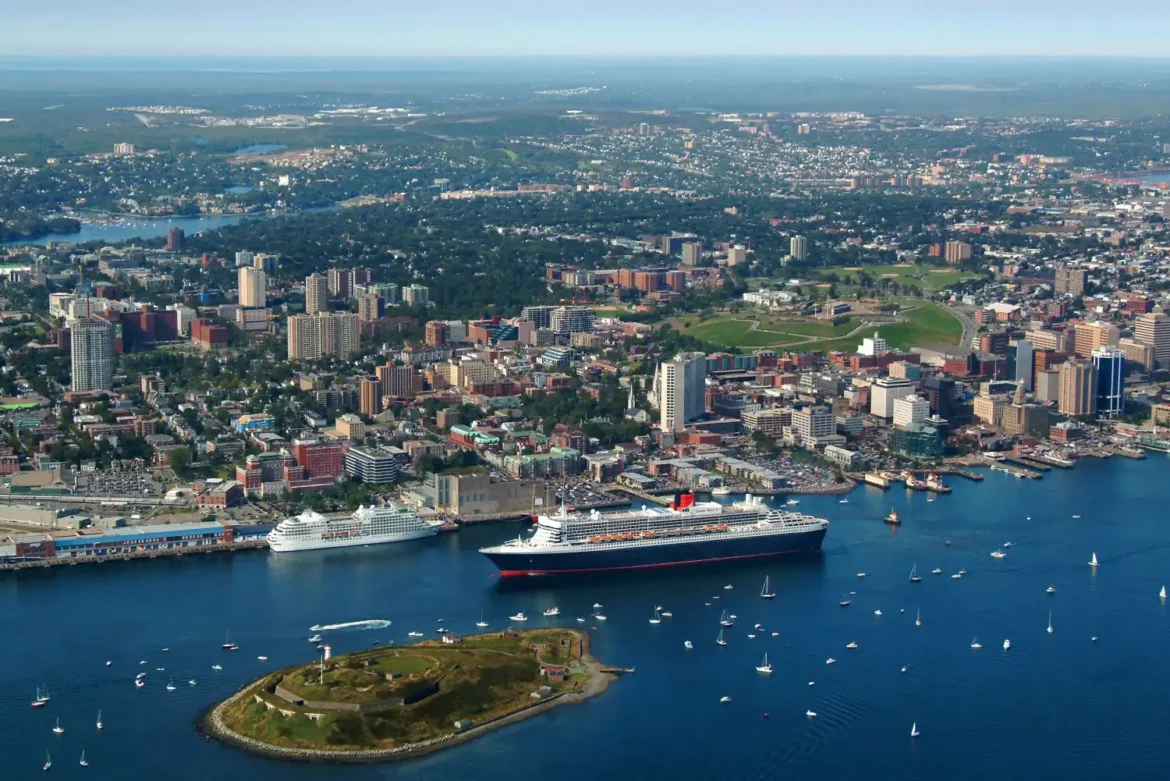
Canada’s cities offer a wide range of travel experiences, each reflecting the cultural, historical, and economic influences of its region. From large metropolitan areas to smaller urban centres, Canadian cities provide a mix of modern attractions and local traditions. Travelling through these urban environments allows visitors to explore architecture, cuisine, arts, and community life, all while experiencing the diversity that defines the country.

Toronto, Canada’s largest city, is known for its multicultural population and vibrant urban atmosphere. Visitors can explore neighbourhoods that reflect different cultural backgrounds, offering a variety of dining and shopping experiences. Landmarks such as the CN Tower and waterfront areas provide scenic views and recreational opportunities. The city’s public transportation system makes it relatively easy to navigate, allowing travellers to move between districts efficiently.

Vancouver, located on the west coast, combines urban living with natural surroundings. The city is situated between mountains and the Pacific Ocean, creating a unique setting where outdoor activities are easily accessible. Parks such as Stanley Park offer green spaces within the city, while nearby mountains provide opportunities for hiking and skiing. Vancouver’s focus on sustainability and outdoor lifestyle contributes to its distinct character among Canadian cities.

Pages: 1 2

Advertisement

Canada is known for its vast landscapes and diverse natural environments, offering travellers a wide range of experiences across the country. From rugged coastlines to expansive forests and towering mountain ranges, each region presents its own unique character. Exploring these natural wonders provides an opportunity to connect with the environment while gaining a deeper appreciation for the country’s geography and cultural heritage. Whether visiting national parks or remote wilderness areas, travellers can encounter scenery that varies dramatically from one province to another.

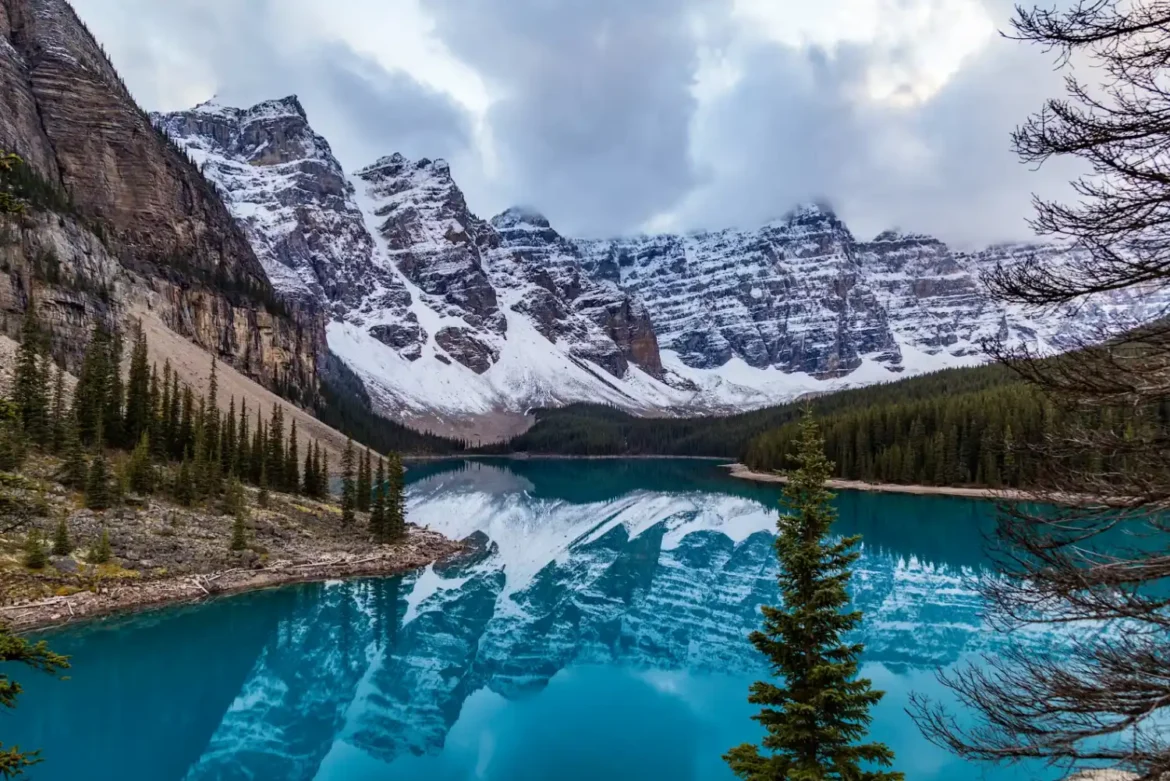
The Rocky Mountains are among the most recognized natural features in Canada, stretching across Alberta and British Columbia. This region is home to iconic destinations such as Banff and Jasper, where visitors can explore alpine landscapes, glacial lakes, and abundant wildlife. Hiking trails, scenic drives, and outdoor activities offer ways to experience the terrain at different levels of intensity. The combination of natural beauty and well-maintained infrastructure makes the Rockies accessible while preserving their sense of scale and remoteness.

Eastern Canada offers a different but equally compelling natural experience. Provinces such as Nova Scotia and Newfoundland and Labrador feature dramatic coastlines shaped by the Atlantic Ocean. Cliffs, lighthouses, and fishing communities create a distinct atmosphere that reflects both natural and cultural elements. Travellers can explore coastal trails, observe marine life, and visit small towns that highlight the region’s maritime traditions. The changing weather conditions add to the dynamic character of these coastal landscapes.

Pages: 1 2

Advertisement

Disclaimer

This website provides information for informational purposes only and accepts no responsibility for decisions made by users. We recommend that you carefully review all details and consult a professional.

Contact information

Lumino Arc Ltd.

29 Speers Ave, York, ON M9N 1E9, Canada

+14168215016

info@lumino-arc.com