Home Politics
Category:

Politics

Advertisement

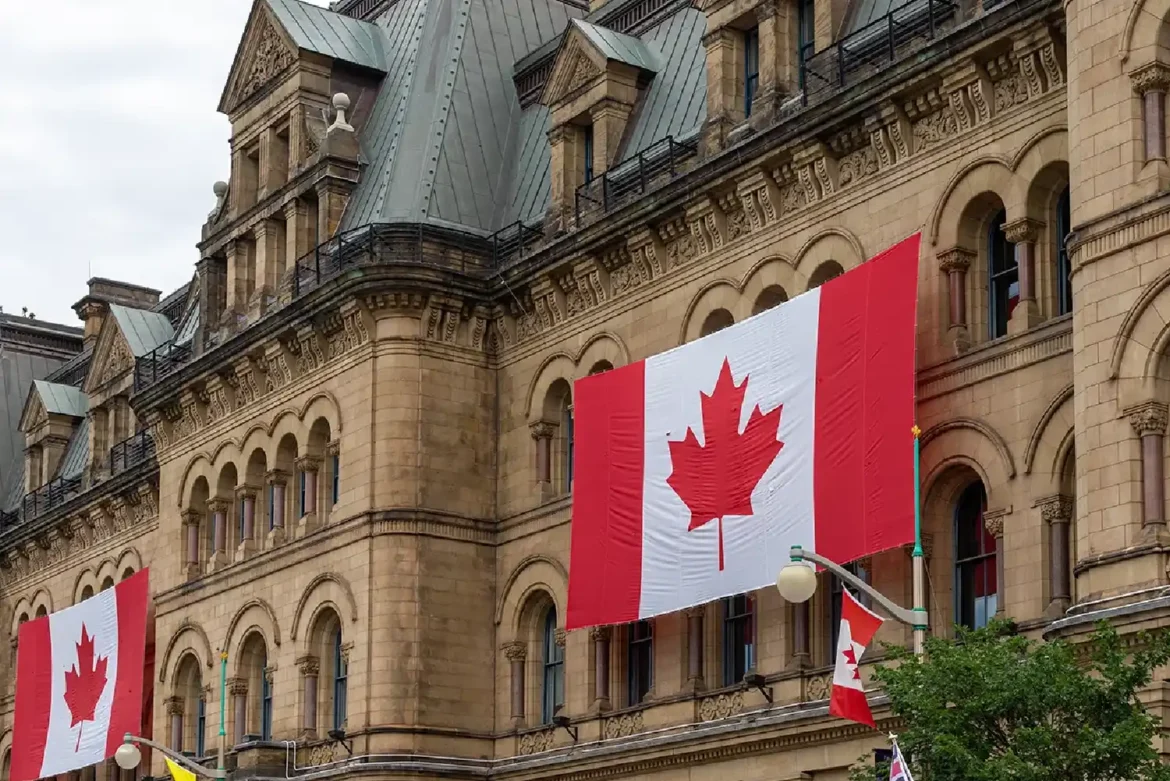
Elections are a cornerstone of Canada’s democratic system, providing citizens with the opportunity to choose their representatives and influence the direction of government. The process is designed to be accessible, transparent, and structured to reflect the country’s diverse population. By participating in elections, Canadians contribute to shaping policies and leadership at both federal and provincial levels.

At the federal level, Canada uses a system known as first-past-the-post. The country is divided into electoral districts, also called ridings, and each district elects one representative to the House of Commons. Voters select a candidate, and the candidate with the most votes in that riding wins the seat. This system is straightforward but can produce outcomes where the overall distribution of seats does not perfectly match the national vote share. Despite ongoing discussions about alternative systems, first-past-the-post remains the current method.

Election campaigns are a key part of the process, allowing political parties and candidates to present their ideas to the public. Campaigns typically include debates, public appearances, advertisements, and policy announcements. In Canada, there are rules governing campaign financing and advertising to ensure fairness and transparency. These regulations help maintain a balanced environment where different perspectives can be presented to voters.

Pages: 1 2

Advertisement

Canada’s political structure is defined by a federal system that divides authority between the national government and the provinces. This arrangement reflects the country’s geographic size, regional diversity, and historical development. Rather than concentrating power in a single central authority, responsibilities are shared to ensure that different regions can address their own needs while still operating within a unified national framework. Understanding how these powers are distributed helps explain how policies are created and implemented across the country.

The federal government is responsible for matters that affect the country as a whole. These include national defense, foreign affairs, trade regulation, immigration frameworks, and currency. By managing these areas, the federal level provides consistency and coordination across provinces. It also plays a role in setting national standards and providing funding for programs that are administered locally. This structure allows the country to function cohesively on the international stage while supporting internal cooperation.

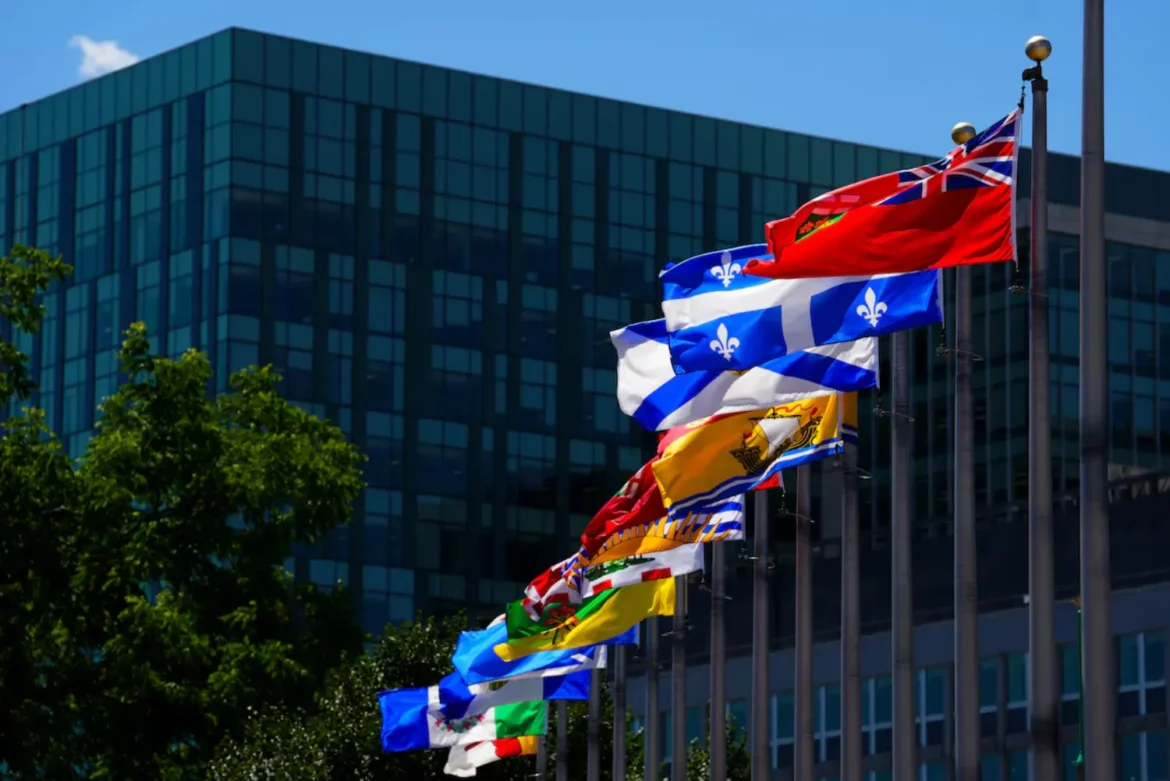
Provincial governments, on the other hand, focus on areas that directly impact daily life within their regions. These responsibilities include healthcare delivery, education systems, natural resource management, and local infrastructure. Because provinces have different populations, economies, and priorities, they have the flexibility to design policies that suit their specific circumstances. This adaptability is a key feature of Canada’s federal system, allowing for variation while maintaining overall stability.

Pages: 1 2

Advertisement

Media plays a significant role in shaping public understanding of politics in Canada. Through news coverage, analysis, and commentary, media outlets provide information that helps citizens stay informed about political developments. This flow of information supports democratic participation by enabling individuals to engage with current issues and make informed decisions. As the media landscape continues to evolve, its influence on political discourse remains substantial.

Traditional media, including television, radio, and newspapers, has long been a primary source of political information in Canada. These outlets often provide in-depth reporting on government actions, policy changes, and election campaigns. Journalists play a key role in investigating issues, asking questions, and presenting multiple perspectives. This form of reporting contributes to transparency and accountability within the political system.

Digital media has introduced new dynamics to political communication. Online platforms and social media allow information to spread quickly, reaching large audiences in a short time. Politicians and political parties use these channels to communicate directly with the public, bypassing traditional intermediaries. While this can increase accessibility, it also requires individuals to evaluate the reliability of information and distinguish between verified sources and unverified content.

Pages: 1 2

Advertisement

Canadian politics is shaped by a range of complex and evolving issues that reflect both domestic priorities and global influences. These issues influence policy decisions, public debate, and electoral outcomes. As the country navigates economic, social, and environmental challenges, political leaders and citizens alike engage in discussions about how best to address these concerns. The diversity of perspectives within Canada adds depth to these conversations, making the political landscape both dynamic and multifaceted.

One of the most prominent issues in Canadian politics is the economy. Topics such as inflation, employment, and economic growth often dominate discussions, as they directly affect everyday life. Policymakers must consider how to balance fiscal responsibility with support for individuals and businesses. Regional differences also play a role, as economic conditions can vary significantly between provinces, influencing how policies are developed and implemented.

Climate change and environmental policy are also central to political discussions in Canada. The country’s vast natural resources and diverse ecosystems create both opportunities and challenges. Governments at various levels work to address concerns related to emissions, energy production, and conservation. Public interest in environmental issues has grown over time, leading to increased attention on sustainability and long-term planning.

Pages: 1 2

Advertisement

Canada’s political system is built on a parliamentary democracy and constitutional monarchy, combining historical traditions with modern governance structures. At its core, the system is designed to balance authority among different branches of government while ensuring representation for citizens across a vast and diverse country. The federal structure allows power to be shared between national and provincial governments, each responsible for specific areas such as healthcare, education, and national defense. This division helps address regional differences while maintaining a unified national framework.

The Parliament of Canada plays a central role in the political system. It consists of three main components: the House of Commons, the Senate, and the Crown. Members of the House of Commons are elected by citizens and represent constituencies across the country. The Senate, whose members are appointed, reviews legislation and provides additional scrutiny. The Crown, represented by the Governor General, performs ceremonial duties and formally approves laws. Together, these elements create a system that combines democratic participation with institutional oversight.

Elections are a fundamental part of Canada’s political process. Federal elections are held to choose representatives in the House of Commons, and the political party that gains the most support typically forms the government. Campaigns focus on a range of issues, including economic policy, social programs, and environmental concerns. Voter participation is encouraged through accessible voting methods, although turnout can vary depending on factors such as public interest and the perceived importance of specific issues.

Pages: 1 2

Advertisement

Disclaimer

This website provides information for informational purposes only and accepts no responsibility for decisions made by users. We recommend that you carefully review all details and consult a professional.

Contact information

Lumino Arc Ltd.

29 Speers Ave, York, ON M9N 1E9, Canada

+14168215016

info@lumino-arc.com