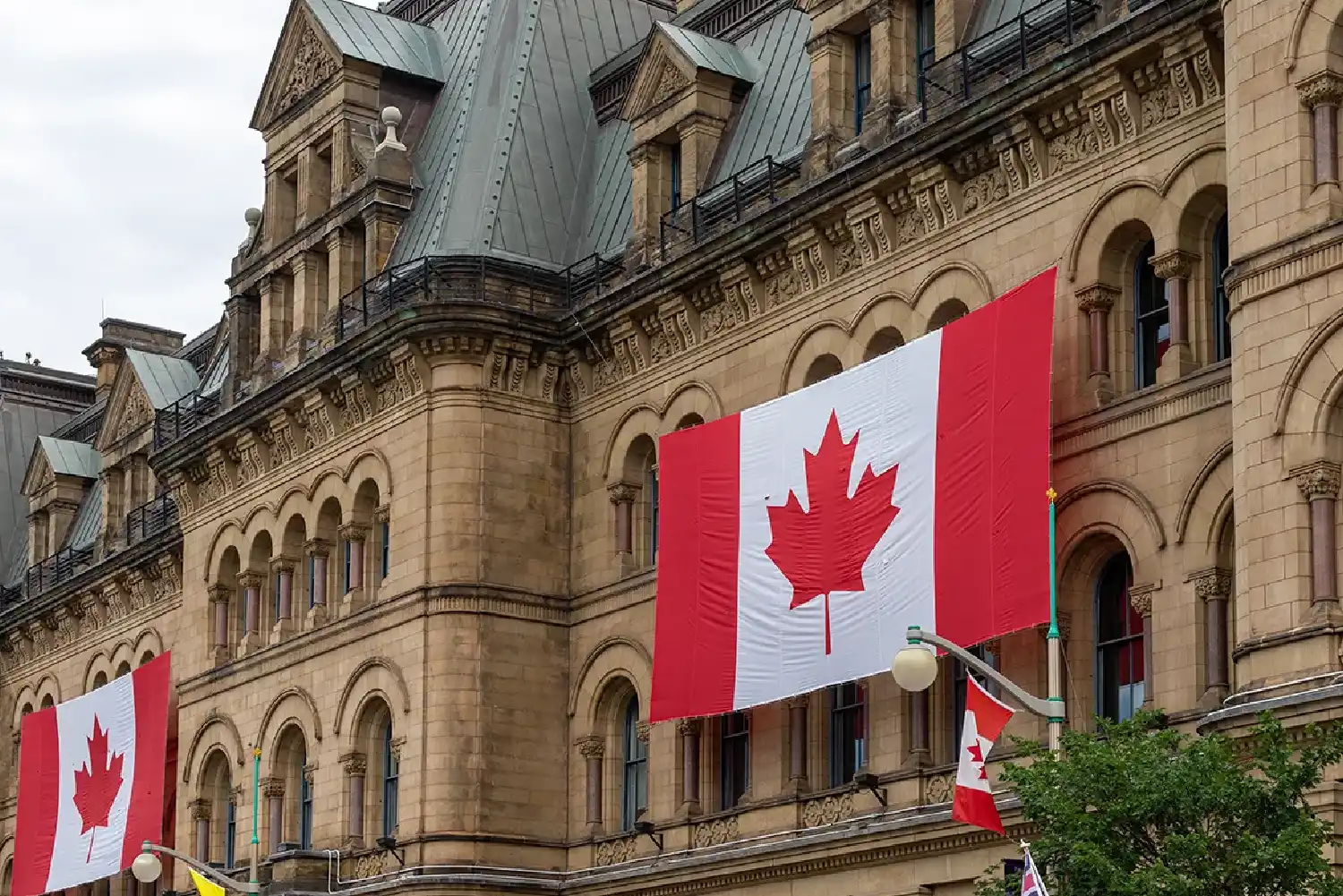
Canada’s political system is built on a parliamentary democracy and constitutional monarchy, combining historical traditions with modern governance structures. At its core, the system is designed to balance authority among different branches of government while ensuring representation for citizens across a vast and diverse country. The federal structure allows power to be shared between national and provincial governments, each responsible for specific areas such as healthcare, education, and national defense. This division helps address regional differences while maintaining a unified national framework.
Advertisement
The Parliament of Canada plays a central role in the political system. It consists of three main components: the House of Commons, the Senate, and the Crown. Members of the House of Commons are elected by citizens and represent constituencies across the country. The Senate, whose members are appointed, reviews legislation and provides additional scrutiny. The Crown, represented by the Governor General, performs ceremonial duties and formally approves laws. Together, these elements create a system that combines democratic participation with institutional oversight.
Elections are a fundamental part of Canada’s political process. Federal elections are held to choose representatives in the House of Commons, and the political party that gains the most support typically forms the government. Campaigns focus on a range of issues, including economic policy, social programs, and environmental concerns. Voter participation is encouraged through accessible voting methods, although turnout can vary depending on factors such as public interest and the perceived importance of specific issues.