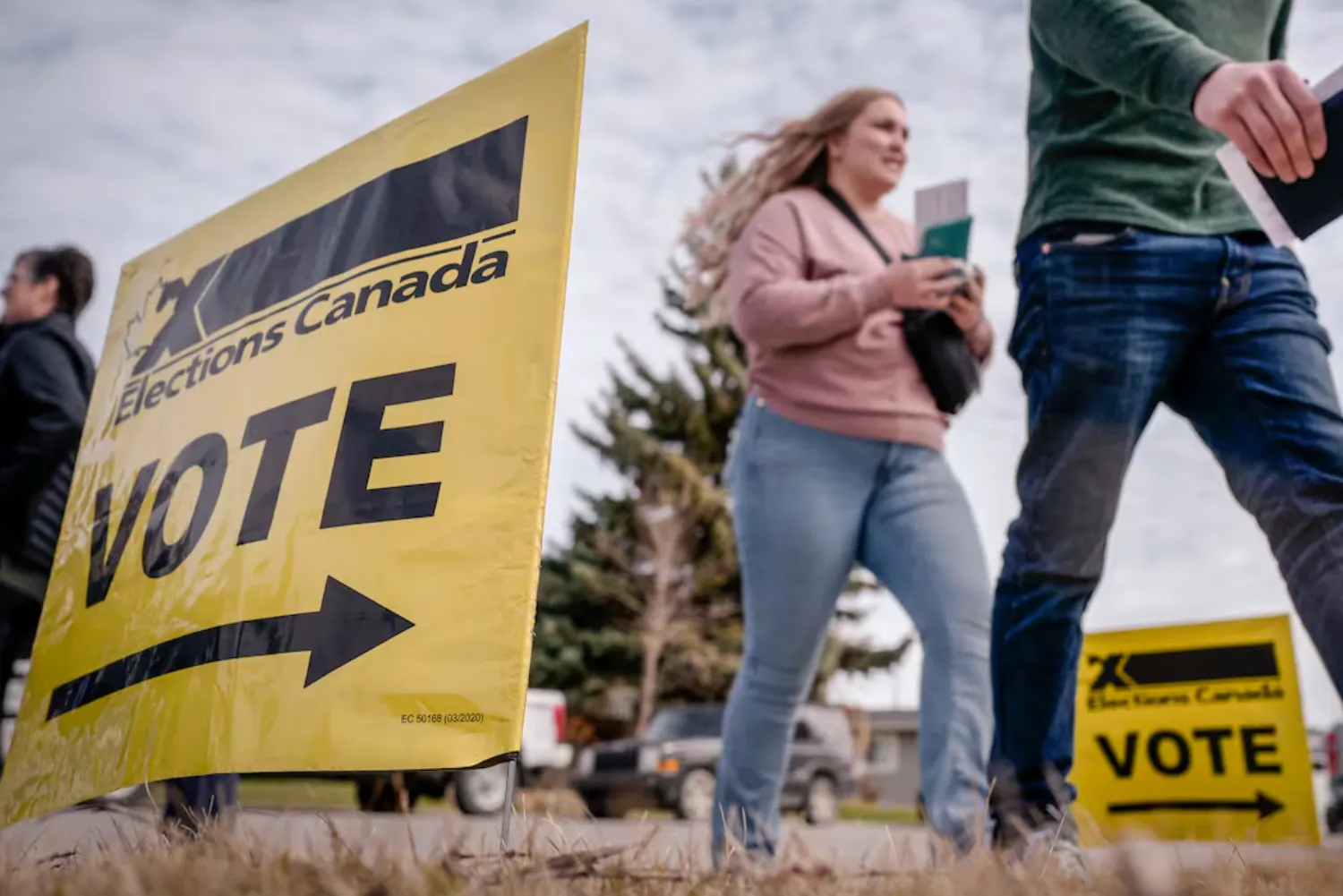
Voting in Canada is designed to be accessible to a wide range of citizens. Eligible voters can cast their ballots on election day, during advance polling periods, or through mail-in options. Polling stations are set up across the country, and efforts are made to accommodate individuals with different needs. This flexibility helps encourage participation, although turnout levels can vary depending on the election and public interest in the issues being discussed.
Advertisement
Once votes are counted, the political party that wins the most seats in the House of Commons typically forms the government. If a single party holds a majority of seats, it forms a majority government, which generally has greater ease in passing legislation. If no party achieves a majority, a minority government is formed, often requiring cooperation with other parties to advance policies. This dynamic can influence how decisions are made and how political negotiations unfold.
Elections in Canada are not limited to the federal level. Provinces and municipalities also hold their own elections, each with its own rules and timelines. These elections address local and regional issues, allowing citizens to have a direct impact on matters that affect their communities. Together, these different levels of elections create a comprehensive democratic system that encourages participation and representation across the country.