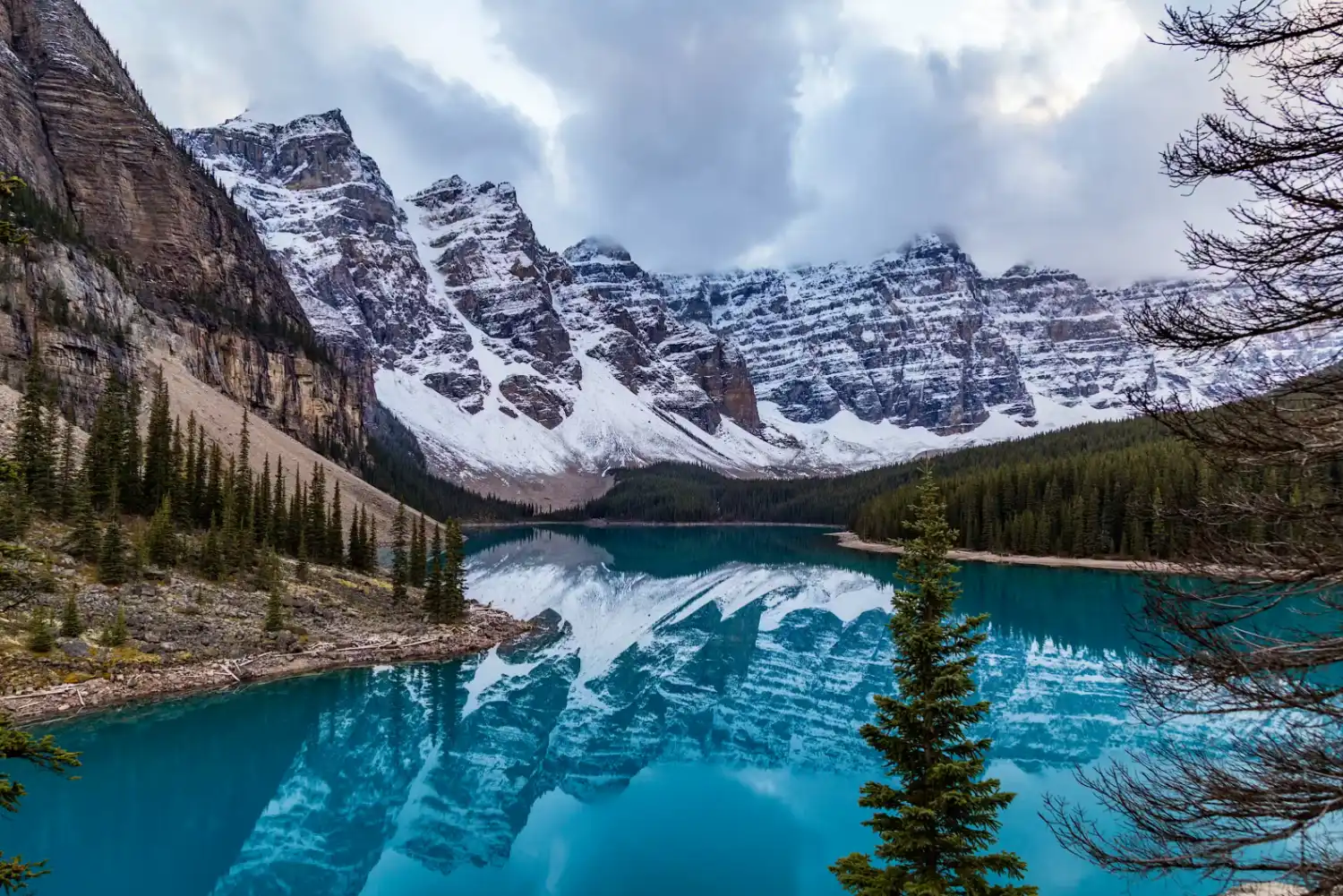
Northern Canada presents a more remote and less populated environment, characterized by tundra, vast open spaces, and unique wildlife. Territories such as Yukon, Northwest Territories, and Nunavut offer opportunities to witness natural phenomena like the northern lights. These regions require more planning and preparation due to their distance and climate, but they provide a perspective on Canada that differs significantly from more urbanized areas. The sense of isolation and scale can be a defining aspect of travel in the north.
Advertisement
National parks play an important role in preserving Canada’s natural heritage while making it accessible to visitors. Parks Canada manages many of these areas, ensuring that ecosystems are protected while allowing for responsible tourism. Facilities such as campgrounds, visitor centres, and guided tours help travellers engage with the environment in an informed way. Respecting guidelines and conservation efforts is essential to maintaining the balance between access and preservation.
Travelling through Canada’s natural landscapes offers more than just visual experiences. It provides insight into the country’s environmental diversity and the importance of conservation. By exploring different regions, travellers can better understand how geography influences culture, lifestyle, and economic activities. This connection between nature and society is a defining feature of travel in Canada, making each journey both informative and memorable.