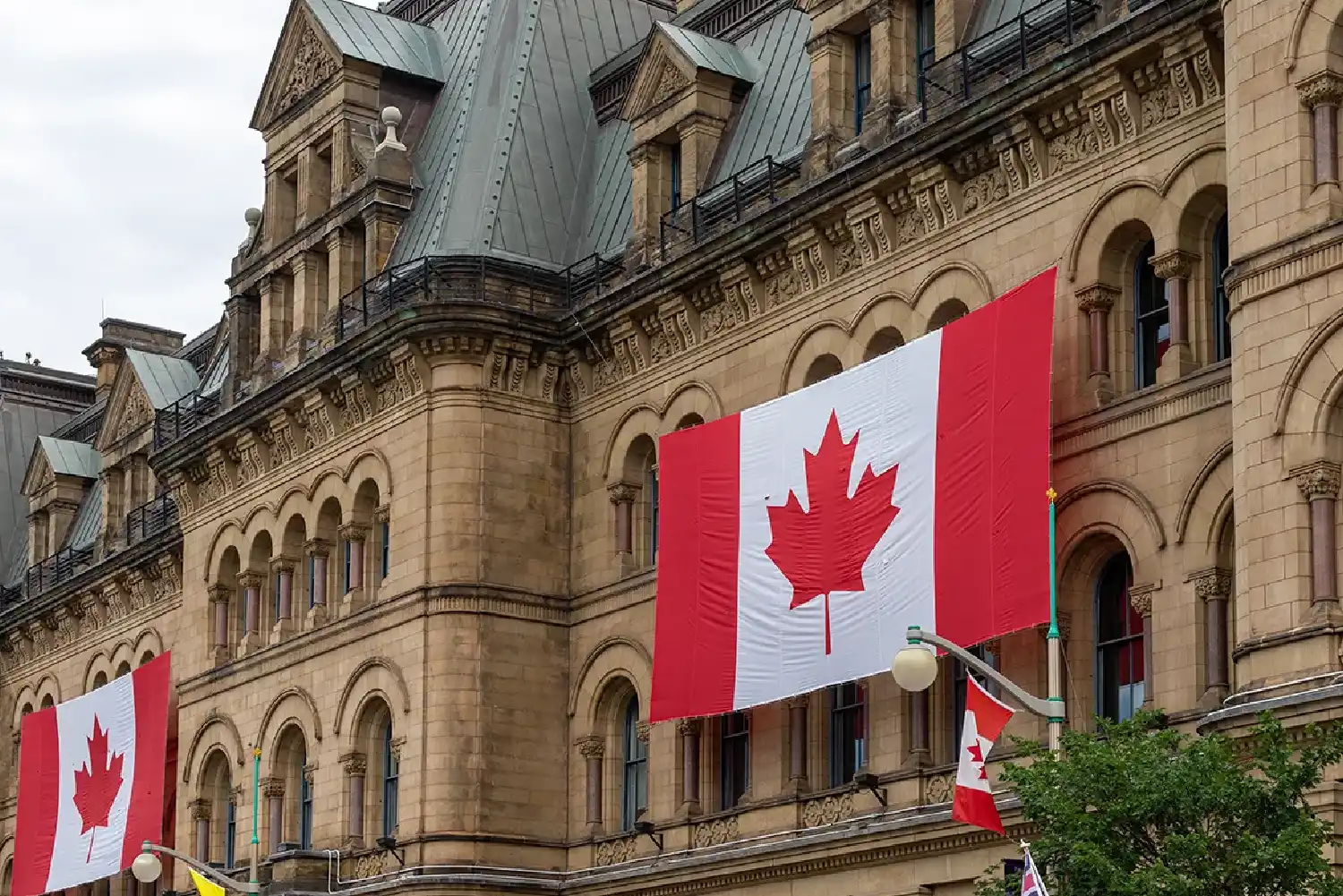
Political parties in Canada play a key role in shaping policy and public debate. Major parties often present different perspectives on governance, reflecting a range of ideological positions. These parties develop platforms that outline their priorities and proposed actions, giving voters a basis for comparison. Smaller parties and independent candidates also contribute to the political landscape, adding diversity to discussions and representing specific viewpoints or regions.
Advertisement
The role of the judiciary is another important aspect of Canada’s political system. Courts interpret laws and ensure they align with the Constitution, including the Canadian Charter of Rights and Freedoms. This framework protects individual rights and provides a mechanism for resolving disputes between governments or between citizens and the state. Judicial independence is essential in maintaining fairness and preventing undue influence from other branches of government.
Canada’s political system continues to evolve as societal needs and expectations change. Issues such as climate policy, economic development, and social equity remain central to public discourse. By combining established institutions with ongoing adaptation, the system seeks to address contemporary challenges while preserving democratic principles. Understanding how these elements interact provides valuable insight into how decisions are made and how citizens can engage in the political process.